
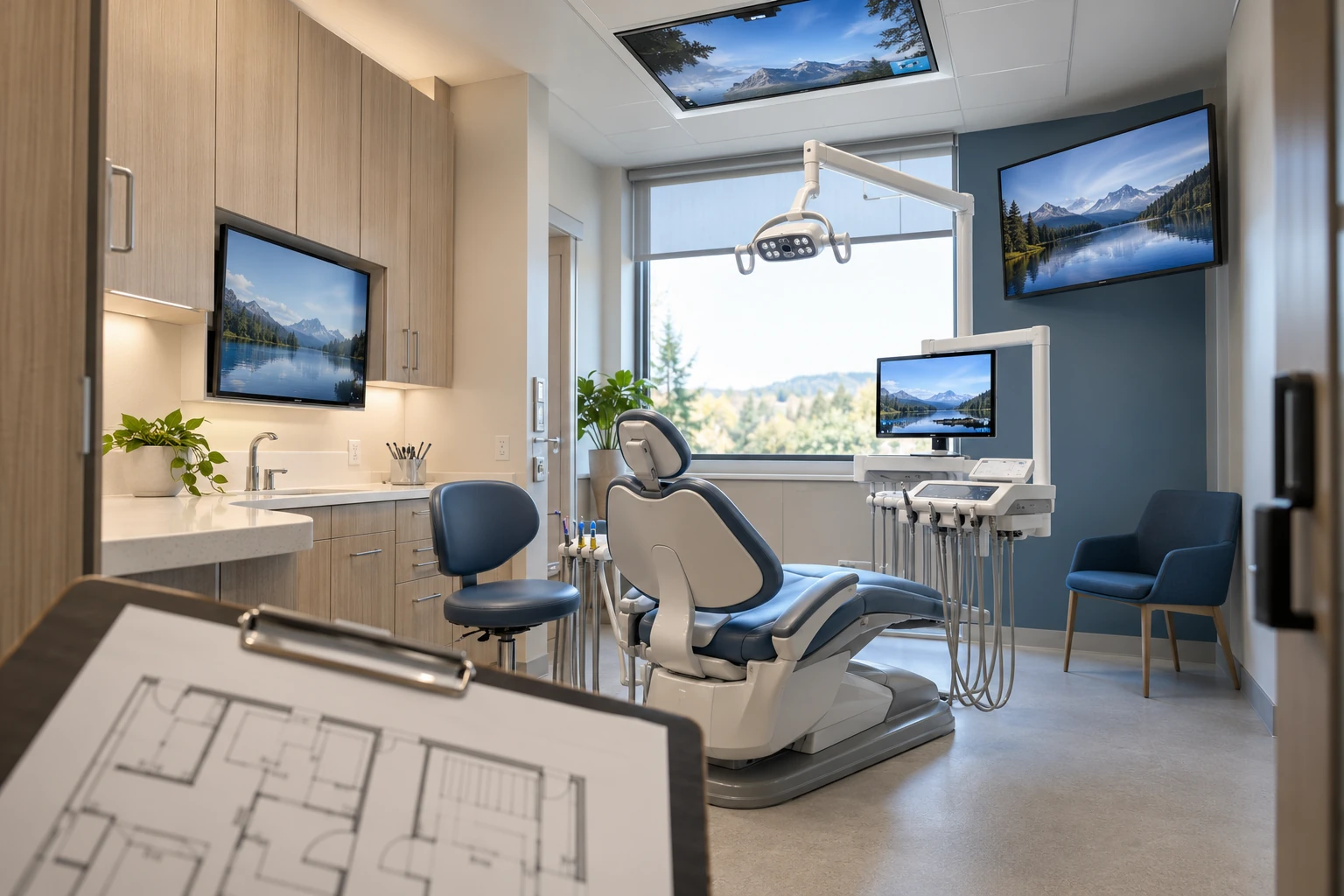
Define what is being compared.
A hosting price does not describe the whole operating arrangement. Compare the application, licensing, infrastructure, support, recovery and access responsibilities included in each proposal. A managed infrastructure environment is not automatically the same service as an application vendor’s cloud product.
For a DSO, record the locations, authorized remote users and workflows that need to work together. Keep the comparison grounded in the actual practice rather than an assumed number of users or a generic monthly rate.
Include imaging and the work around the application.
Review acquisition workstations, sensors, image storage, integrations, printing and vendor-supported connections. Confirm the applicable software versions, license terms and hosting permissions before committing to a design.
- What is included in the ongoing infrastructure and application support?
- Who owns the data, accounts and administrative access?
- How are backup, restoration and incident responsibilities divided?
- Which migration, training and future-change costs are separate?
Pilot the workflows that matter.
Test representative scheduling, billing, imaging and printing activity before a broader rollout. Hosting region, network conditions, access methods and application behavior can affect the experience. A design should be validated from the locations and authorized remote settings that will actually use it; it cannot promise identical latency everywhere.
Use the result to discuss value.
Compare complete scope and measured workflow performance, including implementation and recovery requirements. A lower infrastructure line item is useful only if the resulting responsibilities and operating limits are understood. Do not assume a savings percentage before the comparison is complete.
Explore managed Open Dental cloud for DSOs or start with a dental technology assessment.