
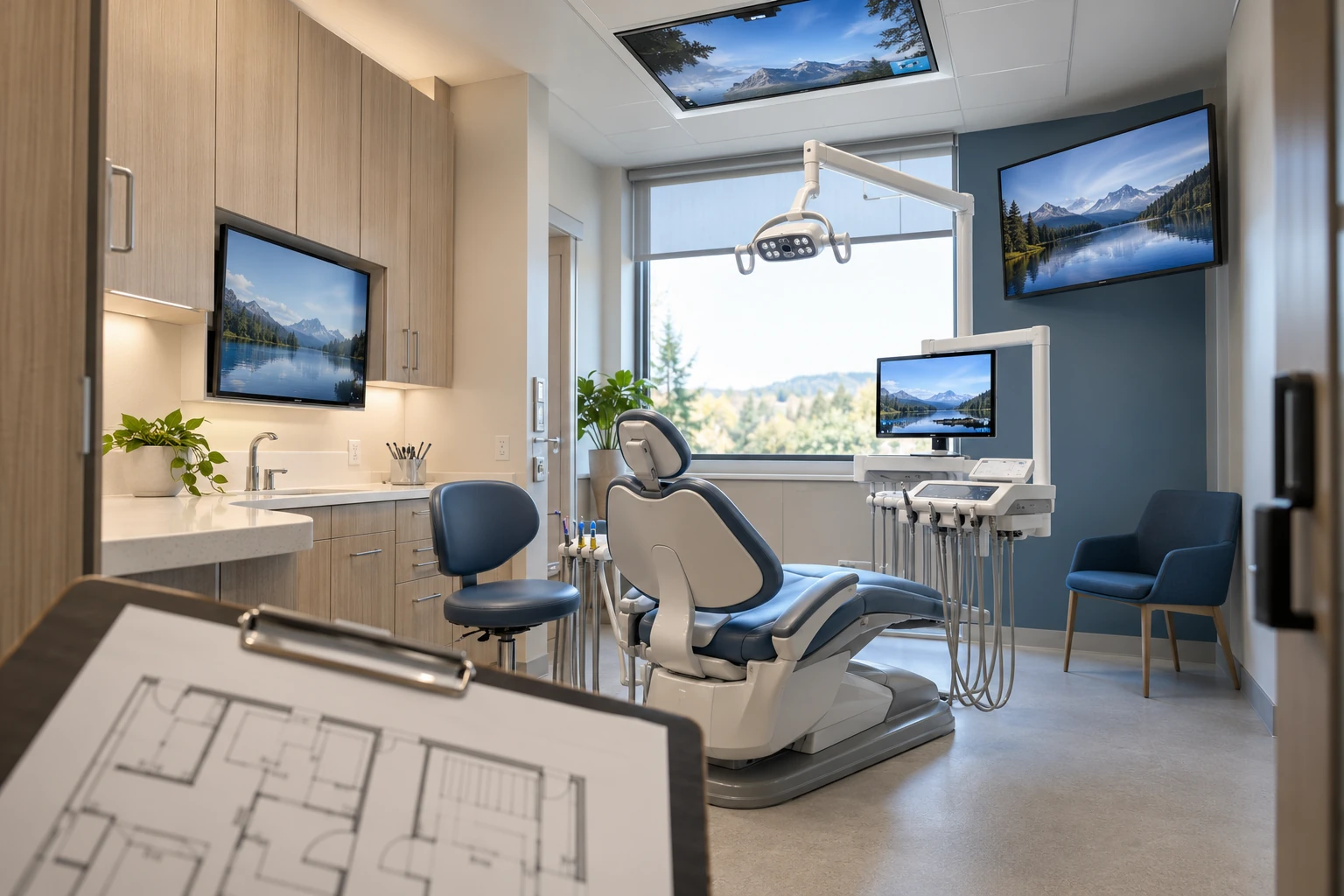
Start with the work, not the equipment list.
A useful dental technology review starts by asking how the practice operates. Reception, clinical teams, billing and management depend on different parts of the environment. Record the workflows that matter, where interruptions occur and who can explain each step.
The first decision is scope: which locations, systems and workflows will be reviewed, what access is authorized and what evidence is available? A short review and a controlled technical test are different engagements.
Map the dependencies.
- Practice-management software and the supported hosting arrangement.
- Imaging acquisition, sensors, workstations, storage and application connections.
- Staff accounts, administrative ownership and departure procedures.
- Network paths and the devices used in each room.
- Backup records, restoration evidence and provider responsibilities.
Application and equipment vendors should remain part of the discussion. A proposed infrastructure change needs to be checked against supported versions, licensing and clinical workflow requirements.
Ask for findings you can act on.
An equipment inventory alone does not explain what to do next. Look for an environment summary, a dependency map, prioritized observations and a discussion of phased improvements. Each finding should distinguish what was observed from what still needs investigation.
Assign the next decision to an owner: the practice, IT support, an application provider or another specialist. Include dependencies so that a useful recommendation does not become an isolated task.
Be clear about what the review does not prove.
An assessment is not automatically a full security test, a successful restore exercise or a compliance certification. Agree those activities separately when they are needed. Keep patient details and credentials out of the initial inquiry; arrange an appropriate method for any later evidence exchange.
Explore the Dental / DSO Technology Assessment or review support for dental practices.